


Daily Maintenance Tips for Calibration Weights of Electronic Balances
Daicy 2026-05-30 15:27:53
Calibration weights are the core measuring tools for calibrating and verifying electronic balances. Their accuracy directly determines the reliability of weighing results. Made of materials like stainless steel, cast iron, and aluminum alloy, weights are easily affected by stains, oxidation, and collisions. Proper daily maintenance and standardized usage can effectively extend their service life and maintain measurement accuracy. Below is a detailed guide to maintenance precautions.
1. Handling Specifications (The Most Critical Step to Avoid Man-Made Damage)
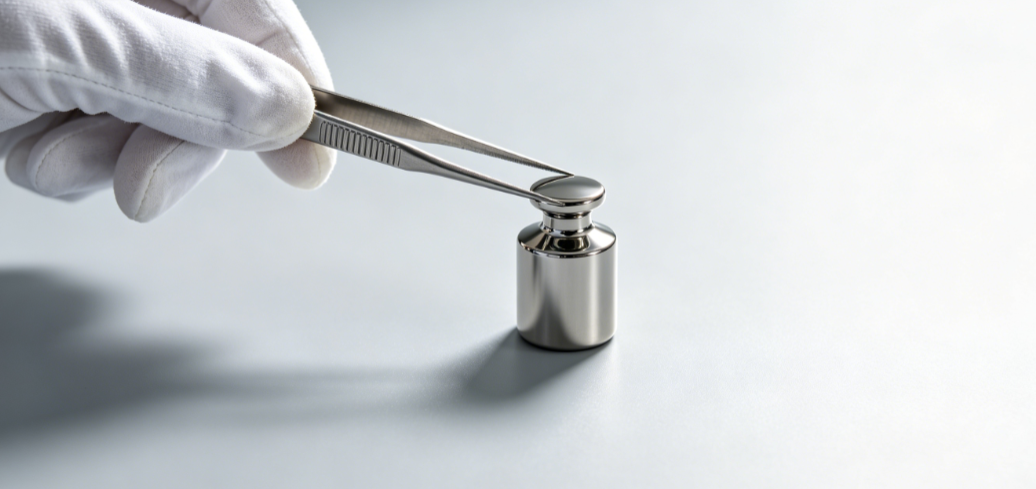
- Do not touch weights with bare hands
Sweat, grease, and salt on hands can easily corrode the weight surface, causing oxidation and increased weight, which leads to measurement errors. Always use dedicated tweezers or leather gloves to pick up weights gently, and never grab them directly with hands.
- Do not throw, collide, or drop weights
As precision measuring tools, collisions or drops can deform the weight body or wear the edges, permanently changing the nominal weight. Move them gently and avoid rubbing or hitting them against hard objects.
- Handle weights separately to avoid mixing
Keep weights of different ranges and grades separate and do not mix them arbitrarily. When weighing with multiple weights, place them in order from largest to smallest, and always put them in the center of the pan to prevent slipping.
2. Cleaning and Maintenance Methods
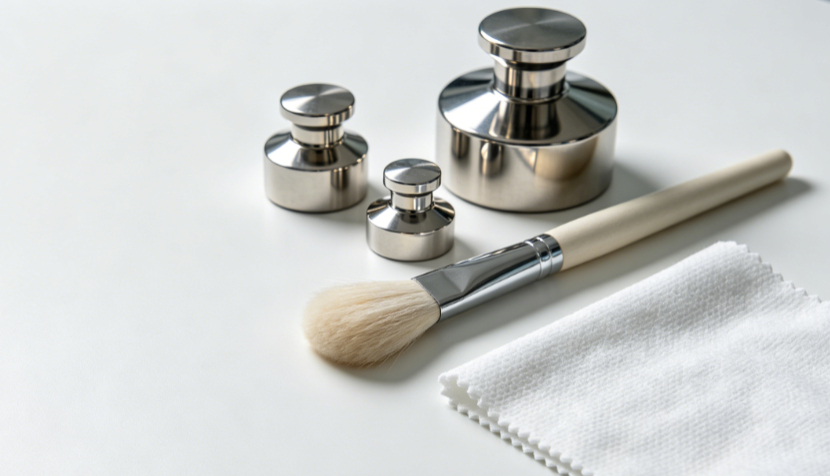
- Daily dust and stain removal
Gently wipe off surface dust with a dedicated soft brush or lint-free silk cloth. For light stains or watermarks, wipe them gently with lint-free cloth dipped in anhydrous ethanol (analytical grade), then air-dry them in a ventilated place. Never rinse weights directly with water.
- Handling stubborn stains
For oil stains or glue marks, wipe them gently only with neutral detergent. Do not use corrosive acids/alkalis, sandpaper, steel wool, or other abrasive tools to avoid scratching or corroding the surface coating.
- Keep weights dry and moisture-proof in time
After cleaning and use, ensure the weight surface is completely dry before storing to prevent rust and oxidation caused by humid environments.
3.Storage Environment and Requirements
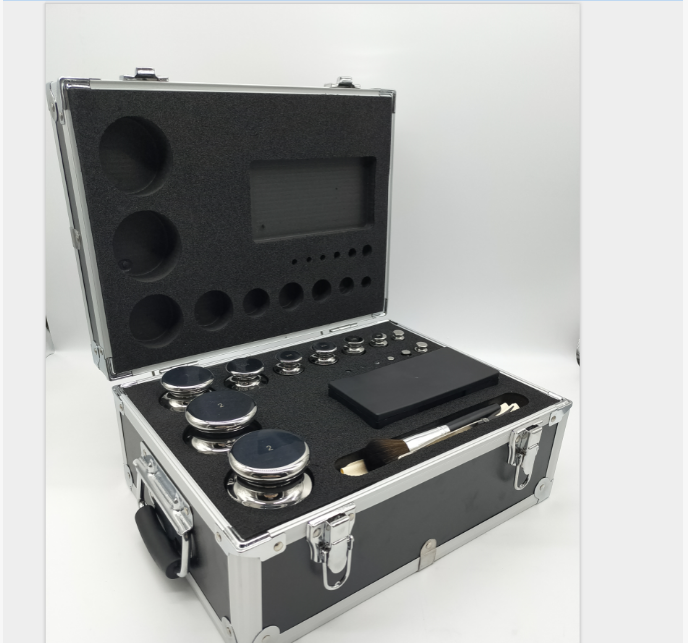
- Use dedicated storage containers
Weights must be stored in the original wooden or plastic sealed box with independent slots, ensuring each weight has its own place to prevent mutual friction. Do not pile them randomly on the table, in drawers, or in metal baskets.
- Control environmental conditions
Keep the storage area dry, cool, ventilated, and away from light, far from acid-base gases, chemical reagents, oil stains, and dust. The ambient humidity is recommended to be controlled between 45% and 75% to avoid high temperatures and direct sunlight.
- Keep away from magnetic fields and vibrations
Some high-precision weights may have measurement deviations when affected by magnetic fields, so they need to be kept away from motors, magnets, and other strong magnetic field equipment. At the same time, avoid vibration areas to prevent long-term displacement and wear of weights.
4. Usage Cycles and Regular Inspections
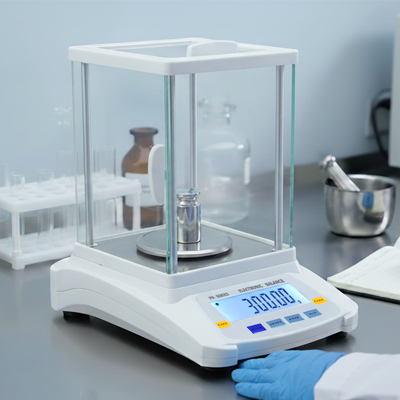
- Regular appearance checks
Visually inspect the weights before each use to check for scratches, rust, deformation, or peeling coating. Stop using them immediately if problems are found.
- Regular metrological verification
According to metrological regulations, weights should be sent to professional institutions for verification regularly based on their accuracy grade and usage frequency to confirm the accuracy of the value. Weights beyond the verification period are prohibited from being used for calibration and testing work.
- Dedicated use for specific purposes
Weights in laboratories, quality inspection departments, and production lines should be dedicated to their respective areas and not moved across scenarios. High-grade weights matching precision analytical balances are strictly prohibited from being used for calibrating ordinary platform scales or industrial scales.
5. Extra Notes
1. Do not leave weights on the balance pan, table, or inside the wind shield for a long time; put them back into storage immediately after use.
2. Do not stick labels or tape on the weight surface, or perform artificial modifications such as grinding, reworking, or painting.
3. If a weight is accidentally dropped or severely collided, even if there is no obvious damage, it must be sent for verification before being reused.


